

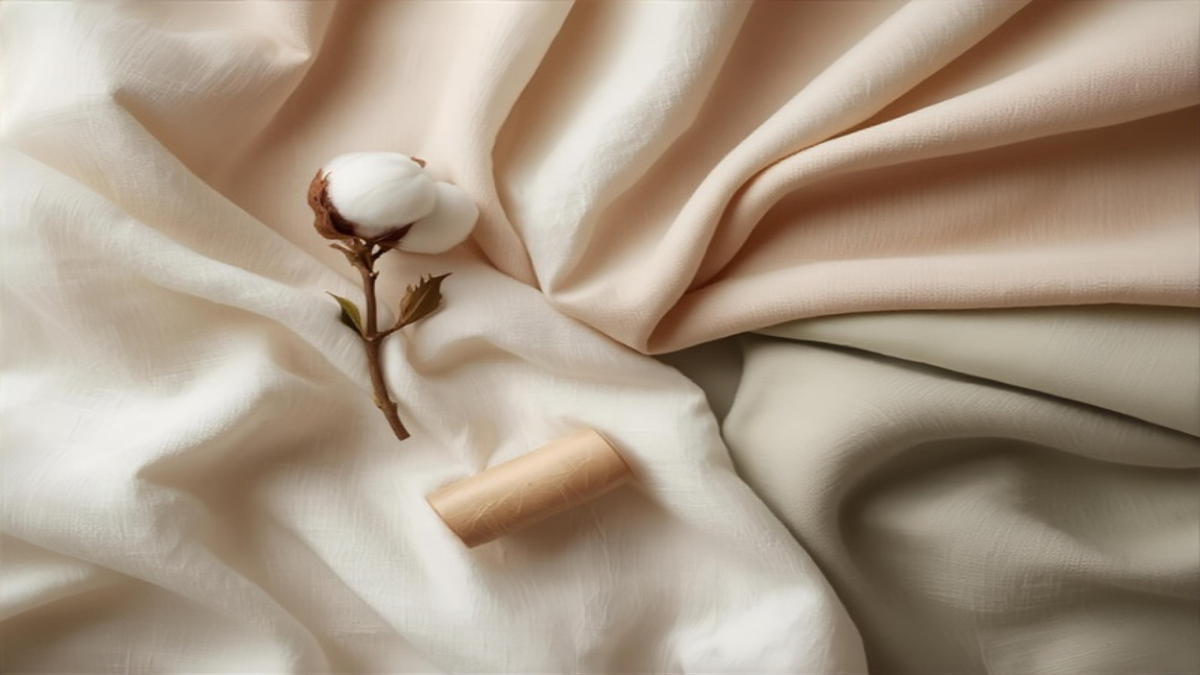
Cotton, Bamboo, or Polyester? The Complete Guide to Baby Clothing Fabrics
Cotton, Bamboo, or Polyester? The Complete Guide to Baby Clothing Fabrics
If you want the short answer: 100% cotton is the gold standard for most families. It breathes, it washes, it holds its shape, and it does not come with a complicated backstory about chemical processing plants. Bamboo has genuine softness to offer, but most "bamboo" fabric on the market is actually a chemically processed rayon, and the marketing often outpaces the science. Polyester and synthetic blends should generally be avoided for newborns, particularly for clothing worn close to the skin. The sections below break down each fabric honestly, including what the labels actually mean and what to look for before you buy.
Key Takeaways
- 100% cotton, particularly heavyweight knit cotton, is the most breathable, durable, and skin-safe choice for most babies.
- Most "bamboo" baby clothing is actually bamboo viscose, a rayon produced with chemical solvents. The Federal Trade Commission has repeatedly issued guidance against misleading bamboo labeling.
- Muslin is a loose-weave cotton best suited for swaddles and lightweight layers, not structured garments.
- Polyester traps heat and reduces breathability; avoid it for anything worn close to a newborn's skin.
- Look for OEKO-TEX Standard 100 or GOTS certification on any fabric marketed as safe or organic for babies.
- Infant skin has a stratum corneum approximately 30% thinner than adult skin (Stamatas et al., 2010), so fabric choice has real consequences for comfort and skin health.
Fabric Comparison at a Glance
Before getting into the details of each fabric, here is a side-by-side breakdown across the criteria that matter most when you are dressing a baby.
| Criteria | 100% Cotton | Bamboo (Viscose) | Muslin Cotton | Polyester |
|---|---|---|---|---|
| Breathability | Excellent | Good | Very good (open weave) | Poor — traps heat |
| Durability after washing | Excellent — improves with washing | Fair — can pill and stretch | Good — softens but thins over time | Good durability, poor performance |
| Softness | Very good (premium weight); improves with washing | Very soft initially; can degrade | Good, gets softer with each wash | Soft initially, static and pilling with age |
| Skin safety | Excellent — well established | Variable — depends on processing | Good — same as cotton | Poor — potential rash risk |
| Environmental impact | Moderate (water-intensive farming); GOTS certification improves this | Mixed — bamboo grows fast but viscose processing is chemical-heavy | Same as cotton | Poor — petroleum-derived, non-biodegradable |
| Typical price range (baby clothing) | $18–$80 depending on weight and brand | $20–$75 | $12–$40 (swaddles, gauze layers) | $5–$25 |
100% Cotton: Why It Remains the Standard
Not sure what size to buy?
Get our free size guide — the cheat sheet every gift buyer and new parent needs.
Cotton has been the dominant fabric for infant clothing for good reason. It is a natural fiber that breathes, pulls moisture away from the skin, and holds its shape through dozens of washes without the structural degradation that affects many synthetic fabrics. Cotton absorbs approximately 27 times its weight in moisture (a number often cited in textile manufacturing studies), which matters considerably when you are dealing with the amount of drool, spit-up, and sweat a baby produces.
Not all cotton is the same, though. Weight matters. A lighter single-knit cotton will feel different from a heavier interlock or double-knit cotton, and that difference is not just about warmth; it is about structure. Heavier-weight cotton keeps its shape after washing, does not thin out prematurely, and actually softens with age rather than degrading. That is also why the price on premium 100% cotton baby clothing tends to be higher than fast-fashion alternatives. The material itself costs more to produce.
"wash after wash, it has stayed amazing. Totally worth it" — Ashmi & Co. customer
OEKO-TEX Standard 100 certification is worth understanding here. The OEKO-TEX organization, an independent Swiss-Austrian testing body, certifies textiles that have been tested for over 1,000 harmful substances, including formaldehyde, pesticide residues, heavy metals, and certain synthetic dyes. For baby clothing specifically, OEKO-TEX applies its most stringent testing class (Product Class I), recognizing that infants are at higher risk from chemical exposure due to thinner skin and the tendency to mouth fabric. You can verify any OEKO-TEX label at oeko-tex.com.
GOTS (the Global Organic Textile Standard) goes a step further by certifying not just the finished fabric but the entire supply chain, from farming practices to dye processes. If the environmental and organic farming angle matters to you alongside the safety question, GOTS-certified cotton is worth seeking out.
Ashmi & Co. uses only 100% premium cotton across its entire line. Our everyday baby clothes are built around this specifically: heavier-weight knit cotton that holds up, stays soft, and does not need chemical finishes to perform.
"I tried the knockoffs and they completely fell apart after one wash. I've bought about 10 items from Ashmi now." — Ashmi & Co. customer
Bamboo (Viscose): The Marketing vs. the Reality
Bamboo fabric deserves a fair conversation, not a dismissal. Bamboo viscose is genuinely soft, often described as silky, and the breathability is decent. There are real reasons parents are drawn to it. The problem is the marketing, not the softness itself.
What is actually in your "bamboo" baby onesie is almost certainly bamboo viscose or bamboo rayon. To produce this fabric, bamboo pulp is dissolved using chemical solvents, including carbon disulfide (a compound associated with occupational health risks in manufacturing settings), then extruded into fiber. The resulting fabric is chemically more similar to conventional rayon than to anything that resembles the original bamboo plant. The FTC has been clear about this since 2009 and reissued updated guidance in 2022: companies cannot legally label fabric as "bamboo" if it has been chemically processed into rayon. Many brands have been fined for doing exactly this.
The antibacterial and moisture-wicking properties commonly associated with bamboo are largely properties of the raw bamboo plant, not the processed viscose fiber. Independent testing has repeatedly shown that bamboo viscose fabric does not retain these properties after chemical processing.
None of this means bamboo viscose is dangerous. Certified, OEKO-TEX-tested bamboo viscose can be safe for babies. But the environmental story and the health story both look different from what most brands are telling. If the simplicity of knowing exactly what is in the fabric matters to you (and for many parents of newborns, it does), 100% cotton offers that clarity. You can read more in our piece on bamboo baby clothes and what the labels actually mean.
Muslin: Lightweight, Breathable, and Best for Swaddles
Muslin is cotton, specifically a loosely woven cotton gauze that has been used in baby products for generations. It is not a competing fabric category; it is a weave style within cotton. The open weave makes it exceptionally breathable, which is why muslin blankets and swaddle wraps became so popular. It softens noticeably with every wash, often becoming the softest item in a baby's wardrobe over time.
That open weave is also muslin's main limitation for structured clothing. Muslin does not hold its shape the way a knit cotton does; it is too light and too loosely constructed for a romper that needs to stay put during a diaper change or a dress that needs to hold a ruffle. For swaddles, burp cloths, and warm-weather gauze layers, muslin is excellent. For the main garments in a baby's wardrobe, especially everyday pieces intended to survive repeated washing, a knit cotton will serve you better.
Our baby rompers and baby clothing sets use knit cotton for exactly this reason: the structure and recovery you need from something worn every day.
Polyester and Synthetic Blends: Why to Avoid Them
Polyester is a petroleum-derived synthetic fiber. It is durable, inexpensive to produce, and holds color well, which is why it dominates fast fashion. For baby clothing, though, the tradeoffs are significant. Polyester does not breathe. It traps heat against the body, which can contribute to overheating in infants whose thermoregulation is still developing. It does not absorb moisture, so sweat and drool sit against the skin rather than being drawn away. And on sensitive infant skin, synthetic fibers are more commonly associated with contact irritation and rash.
"If you want children in polyester then buy the cheap" — Ashmi & Co. customer
Synthetic blends (cotton-polyester mixes) are a middle ground, but the more polyester in the blend, the more you sacrifice the breathability and moisture management that made you reach for cotton in the first place. A 60/40 cotton-poly blend performs much closer to polyester than to pure cotton. For infants, particularly newborns and any baby with sensitive skin or eczema, the recommendation from pediatric guidance is consistently toward natural fibers and away from synthetics.
What to Look for on the Label
Once you know what you want, reading labels clearly is straightforward:
- Fiber content: Look for "100% cotton" with no secondary fiber listed. Any percentage of polyester, elastane, spandex, acrylic, or nylon moves it into blend territory.
- OEKO-TEX Standard 100: Tests for over 1,000 harmful substances. Look for the certification number and verify it at oeko-tex.com. For baby clothing, the label should indicate Product Class I.
- GOTS (Global Organic Textile Standard): Certifies organic farming practices in addition to processing. Look for the certification on the tag or on the brand's website, along with a certification number.
- "Easy care" or "wrinkle resistant": These phrases often indicate formaldehyde-based fabric treatments. Avoid them for baby clothing. A quality cotton will wrinkle. That is normal and not a problem.
- "Bamboo" without further specification: Per FTC guidance, this label alone is insufficient. Ask what type of bamboo processing was used, and look for OEKO-TEX certification if you choose bamboo viscose.
For a deeper look at the organic cotton question specifically, our organic cotton guide walks through what the certification actually means versus how it is commonly marketed.
For additional guidance, see the FTC's textile labeling requirements, including their specific guidance on bamboo textile claims.
The Bottom Line
This does not need to be complicated. For most babies, and certainly for newborns and any baby with sensitive or reactive skin, 100% cotton, preferably OEKO-TEX certified and in a heavier knit weight, is the right choice. It breathes, it washes, it lasts, and it does not require you to decode a manufacturing process to know what you are putting against your baby's skin.
If you are looking for a starting point, our everyday baby clothes are 100% premium cotton: no blends, no synthetic finishes, no bamboo marketing. Just cotton that holds up.
Frequently Asked Questions
What is the best fabric for newborn baby clothes?
100% cotton, specifically a heavyweight knit cotton, is the most widely recommended fabric for newborn baby clothes. It breathes well, absorbs moisture efficiently, holds up through repeated washing, and is less likely to irritate a newborn's thinner, more sensitive skin. Look for OEKO-TEX Standard 100 or GOTS-certified cotton to ensure no harmful residues from processing.
Is bamboo or cotton better for baby clothes?
Most "bamboo" baby clothing is actually bamboo viscose, a chemically processed rayon that bears little resemblance to the original plant fiber. While bamboo viscose is often marketed as naturally soft and antibacterial, the Federal Trade Commission has repeatedly issued guidance warning brands against false "bamboo" labeling. Cotton, particularly OEKO-TEX certified 100% cotton, skips the heavy chemical processing entirely and has a much longer safety track record for infant skin.
What fabrics should I avoid for baby clothes?
Avoid polyester and synthetic blends. They trap heat, reduce breathability, and are more likely to cause rashes and discomfort on sensitive infant skin. Also avoid fabrics labeled "easy care" or "wrinkle-resistant," which may be treated with formaldehyde-based finishes. Rough seams, scratchy labels, and elastic waistbands made with synthetic rubber are secondary irritants worth watching for regardless of the main fabric content.
What does OEKO-TEX certification mean for baby clothing?
OEKO-TEX Standard 100 is an independent certification that tests textiles for over 1,000 potentially harmful substances, including formaldehyde, heavy metals, pesticides, and certain dyes. For baby clothing specifically, OEKO-TEX applies its strictest testing class (Product Class I), since infants may put clothing in their mouths and have thinner, more permeable skin than adults. It does not certify farming or manufacturing practices, which is where GOTS (Global Organic Textile Standard) adds additional coverage.
Is muslin good for baby clothes?
Muslin is a loose-weave cotton fabric that softens significantly with each wash, making it a popular choice for swaddles, burp cloths, and lightweight gauze layers. It is breathable and gentle on skin, but because of its open weave, it is lighter weight than knit cotton and provides less structure and warmth. Muslin is excellent for swaddling and warmer-weather layering but is not typically used for structured garments like rompers or dresses.

Leave a comment
This site is protected by hCaptcha and the hCaptcha Privacy Policy and Terms of Service apply.